There is a particular kind of afternoon every home dressmaker knows. You have cut a bodice for your daughter, cut the same bodice again for your granddaughter because the two of them are nowhere near the same size, and a third version is half pinned for you. Three women, three sets of measurements, one afternoon, and a machine that has to keep pace without asking to be relearned every time you sit down at it. I have sewn on machines that turned that afternoon into a negotiation. The Brother XM2701 has not been one of them.
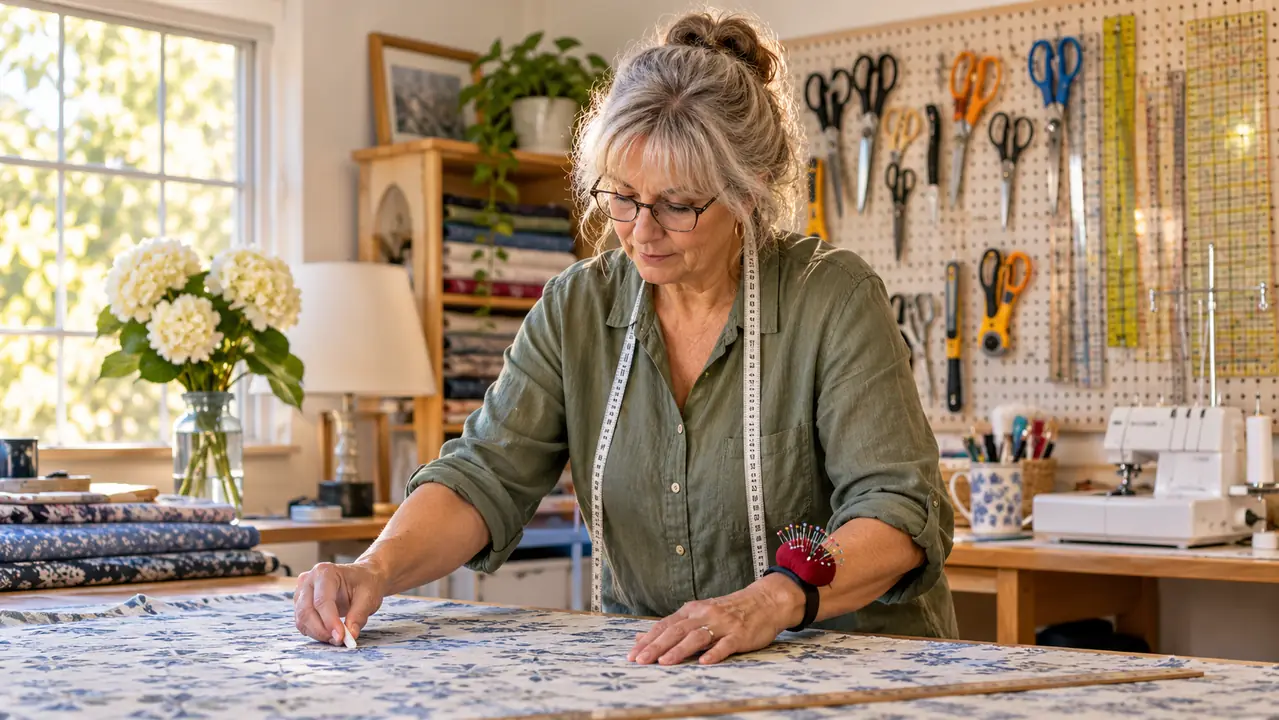
I am sixty one. I sew in a converted spare bedroom with one long cutting table and a pegboard wall, and I have been making and altering clothes since I was a teenager. For the last several months the Brother machine has been the one left threaded on the table, which is the highest compliment I can pay a sewing machine. Here is what that time taught me.
The Quick Verdict
A patient beginner machine that quietly handles dresses in three different sizes. Buy it if you want to learn without fighting your equipment. Skip it if you need a warranty on paper or plan to move into tailoring.
Amazon Check Today's Price →The machine that stayed threaded between projects
If you want the short version: this is the one I have kept set up since the spring, through three sizes of dress and a steady stream of alterations.
Amazon Check Today's Price on Amazon →How I've Used It
The work has been dresses, mostly. A sleeveless linen dress for my granddaughter, who is fifteen and growing in the way that makes you hesitant to cut good fabric. Two work dresses for my daughter, who wants pockets and a hem that survives a commute. A wrap dress for myself in a rayon print I had been saving for two years. Alongside those, the usual stream of alterations that arrives whenever friends learn you can sew.
What I noticed first is how little ceremony the machine requires. I sit down, I thread it, I sew. There is no ritual of tension fiddling before every seam. The automatic needle threader takes a few seconds and saves my eyes, which at sixty one is not a small thing. The drop in top bobbin means I can lift the cover and see the bobbin without taking anything apart, and I can drop a fresh one in without turning the machine over. If you have owned a machine where loading the bobbin felt like disarming something, you will understand why that matters.
My sewing room is not large. The machine lives on the cutting table between projects because it weighs 12.6 pounds and the footprint is modest at about 15.3 inches deep, so it does not eat the whole table when I need to lay out a pattern. I move it to the side, pin, cut, and move it back. I have done that a few hundred times now and it has not complained once.
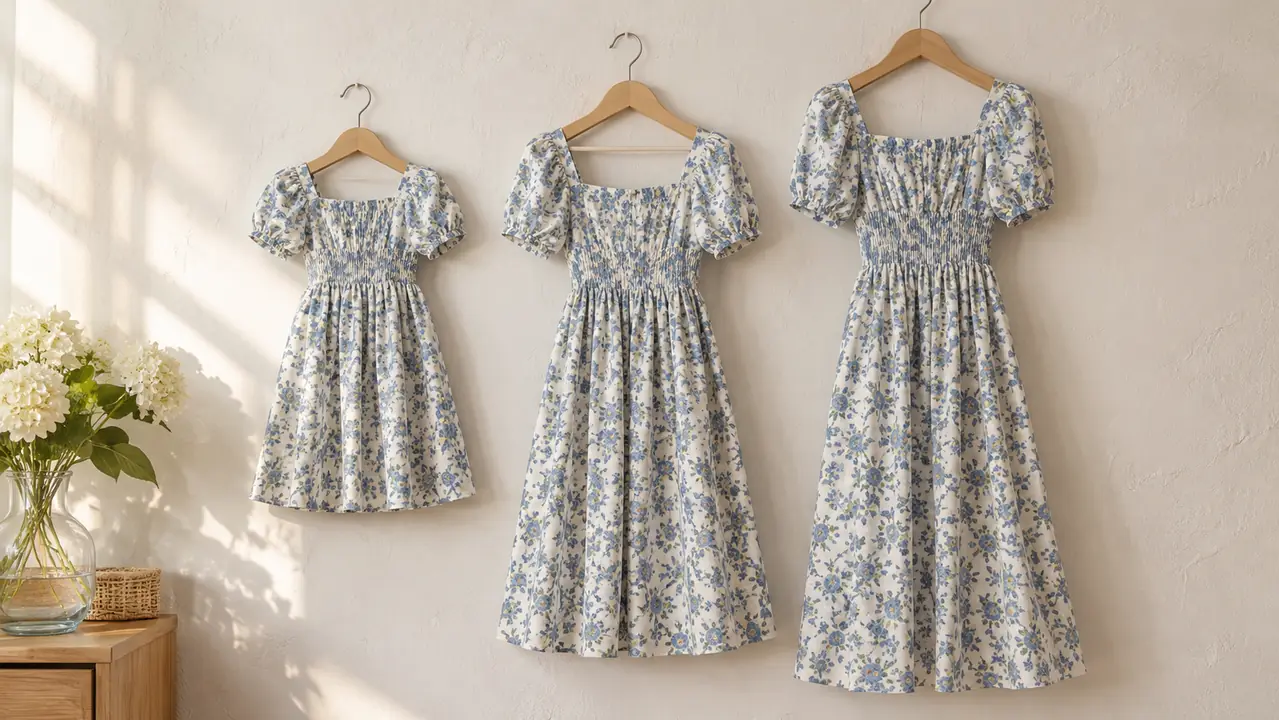
Let me be concrete about one week, because vague praise is worthless. In the second week of April I cut three bodices from the same pattern block. My granddaughter measured thirty two inches at the bust and twenty six at the waist, and she is still growing, so I gave her a generous seam allowance and left the side seams basted for a second fitting. My daughter measured thirty eight at the bust, which meant a full bust adjustment of about an inch and a half, two extra seams, and a muslin she had to stand still in while I pinned. Mine needed a swayback adjustment and a slightly longer waist than the pattern drafted. One pattern, three sets of numbers, and the Brother sewed all three over a single weekend without a tension adjustment in between.
The other half of the work is alterations, which nobody writes about and everybody needs. A neighbour left four pairs of trousers in a bag on my porch in June, all needing to come up two inches. Hemming is dull, repetitive sewing, and repetitive sewing is where a machine shows its character. It either holds its stitch length or it drifts. Over four pairs, with the radio on and the afternoon going long, this one held.
The 27 Stitches, and the Four I Actually Use
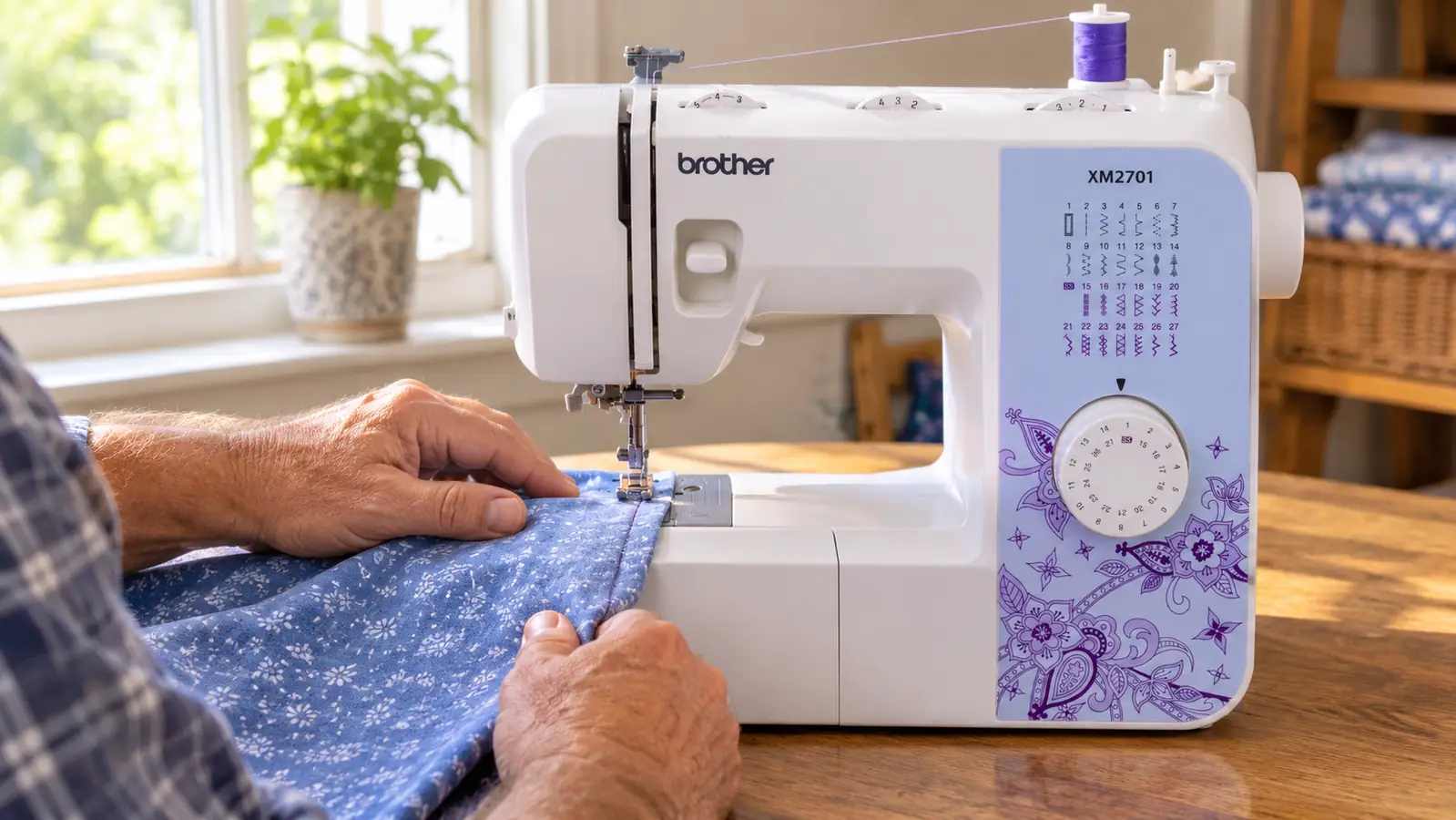
Twenty seven built in stitches sounds like a lot, and it is, and I want to be honest with you about how many of them I touch. I use a straight stitch constantly. I use a zigzag for finishing seam allowances on fabric that frays. I use the blind hem stitch on dress hems where I do not want a visible line. And I use a decorative stitch now and then on a yoke or a pocket band when a piece needs a little something.
I test a blind hem on scrap before I trust it with a real hem, because a blind hem that catches the right side announces every wobble. I set the stitch, folded a hem in the rayon, and sewed about six inches to check. Held up to the window, the stitches caught the fold and barely kissed the outer layer. On the finished dress you cannot find the hem line unless you already know where it is. That one stitch earns its keep on a dressmaking machine more than twenty decorative ones.
The other twenty three are not wasted, they are situational. The decorative stitches are there for the day your granddaughter wants something running along a hem, and she will ask, and you will be glad you had them in the box rather than on a wish list. What I care about more is that the stitches I use constantly are clean and consistent, and they have been. I have not had the skipped stitches or the wandering tension that made me want to throw a machine out a window in my twenties.
One thing worth knowing: six sewing feet come with it, which is generous at this level. I leave the general purpose foot on almost all the time and swap when a seam demands it. The darning plate is in the carton as well, along with a three piece needle set, a twin needle, four bobbins, a screwdriver and the manual. That is a fuller accessory bag than I expected, and I have used more of it than I predicted.
Threading, Bobbins, and the Parts That Decide Your Afternoon
A sewing machine is not judged by its stitching alone. It is judged by how much of your afternoon disappears into setup. That is where cheap machines lose people, and it is where this one has held my affection. The manual is not a throwaway item in the box. I read mine on the first evening with a cup of tea and it answered questions that would otherwise have cost me a ruined seam and an hour of unpicking.
The bobbin situation deserves its own paragraph because it is where beginners usually lose heart. A top loading bobbin means the bobbin sits under a cover up top rather than in a case underneath. You lift the cover, you drop the bobbin in, you run the thread through the path, and you are done. I have loaded this machine in poor evening light with the tea going cold beside me, and it has not fought me once.
The automatic needle threader is the feature I would fight to keep. You bring the thread down, the small hook catches it, and the needle is threaded. It is not infallible and it occasionally wants a second try with a thick thread, but it has saved my close vision several hundred times over these months. If your eyes are not what they were at forty, this one detail may decide the machine for you, and I would not blame you.
Two habits are worth building on any machine, and this one is no exception. Change the needle more often than feels necessary, roughly every eight or ten hours of sewing on cotton and sooner on linen, because a dull needle punches rather than pierces and leaves small holes that never close up again. And clean out the bobbin area. The manual explains it and it takes a minute with the little brush that comes in the accessory bag. I do it every third bobbin or so, and I have not had a jam yet.
What Months of Dresses Taught Me About Fabric and Seams
Linen, cotton poplin, a rayon print, and one unfortunate polyester I regret buying. The machine has handled all of it. On the light fabrics it has been well behaved, with no puckering on the linen once I matched the needle to the cloth. On the heavier cotton it sewed through a double folded hem without stalling or complaining. I would not ask it to sew upholstery or work through denim all afternoon, and I would not ask any 12.6 pound portable machine to do that either.
The polyester was a mistake I made at the fabric store on a Tuesday when I was in a hurry and the queue was long. It slid under the foot, it frayed at the cut edge, and it held a crease where no crease should live. I made a plain A line skirt from it and the skirt looks like exactly what it is. That is not the machine's fault. It sewed the stuff evenly and finished the seam allowances with a zigzag that behaved itself. But I will say this much: even on that slippery fabric nothing skipped, nothing pulled, and I finished the skirt rather than abandoning it to the scrap bag.
Where I have had to work is at the start of a seam on very fine fabric, where the machine wants to pull the corner down into the plate. A scrap of fabric under the foot solves it and always has, on every machine I have ever owned. That is not a flaw, that is sewing. Anyone who tells you a beginner machine removes that little dance is selling you something.
What surprised me is consistency across long sessions. Three dresses in one weekend in three different fabrics, and the tension did not drift. On my older machine, by the third project I would be adjusting and re adjusting and muttering. Here I threaded, sewed, and finished. For someone who sews in bursts rather than daily, that steadiness is the whole ballgame.
The Small Annoyances Nobody Mentions
The listing says no warranty, and I want you to read that twice, because it is unusual and it is real. If peace of mind on paper matters to you, weigh that in before you buy. Mine has run well for months, but my machine running well says nothing about the one that arrives at your door, and I will not pretend otherwise.
It is corded electric, so you are tied to an outlet. In a converted bedroom that is fine. If you daydream about sewing on the porch in September, it is worth knowing. There is no carrying case in the carton either, so if the machine travels to a class or a friend's kitchen table, you will be improvising with a pillowcase and a firm word.
And it is a beginner machine, which is not an insult, it is a boundary. If you decide next year that you want tailored coats or heavy outerwear, you will outgrow it, and that is a good problem to have. What I would say is that this machine will never be the reason you stop learning. It gets out of the way, and after months of dresses in three sizes, that is the thing I would tell a friend to look for.
What I Liked
- 27 built in stitches, including the blind hem I use on nearly every dress hem
- An automatic needle threader that genuinely works, which matters more every year
- Drop in top bobbin is quick to load and easy to see
- Six sewing feet, a twin needle, four bobbins and a darning plate all in the carton
- 12.6 pounds with a small footprint, easy to move off a cutting table
Where It Falls Short
- No warranty listed, which you should weigh before buying
- Corded electric only, so you need an outlet within reach
- No carrying case included
- A beginner machine that will not grow into tailoring or heavy fabrics
Three dresses in one weekend, in three different fabrics, and the tension never drifted once.
Who This Is For
This is for the home dressmaker sewing for more than one body. If you are making for yourself, a grown daughter and a teenager, you are cutting the same pattern three times with three sets of adjustments, and you need a machine that does not make you re learn it between projects. The Brother sits down and works, every time, which is precisely what a three person workload demands.
It is also for the woman who has been altering clothes for friends and neighbours and wants to start making pieces from scratch. You already know how fabric behaves. What you need is reliable stitching and a needle threader that spares your eyes, and this delivers both without asking you to study a control panel first.
Who Should Skip It
Skip it if you need a warranty in writing, because the listing does not offer one, and no amount of good experience on my table changes the terms on yours. Skip it if your sewing has moved into tailoring, structured coats, or heavy denim work, where you want weight and a stronger motor under your hands.
Skip it too if you want machine embroidery or a large library of decorative work. Twenty seven stitches covers a home dressmaker's everyday needs and a bit more, but it is not an embroidery machine and it does not pretend to be. Buy it to make dresses, skirts, blouses and a mountain of alterations. Buy something else the day your ambitions leave that territory.
Sewing for three generations on one table
If you are cutting the same bodice in three sizes and want a machine that simply keeps up, this is the one I would still have threaded on my table tomorrow.
Amazon Check Today's Price on Amazon →